
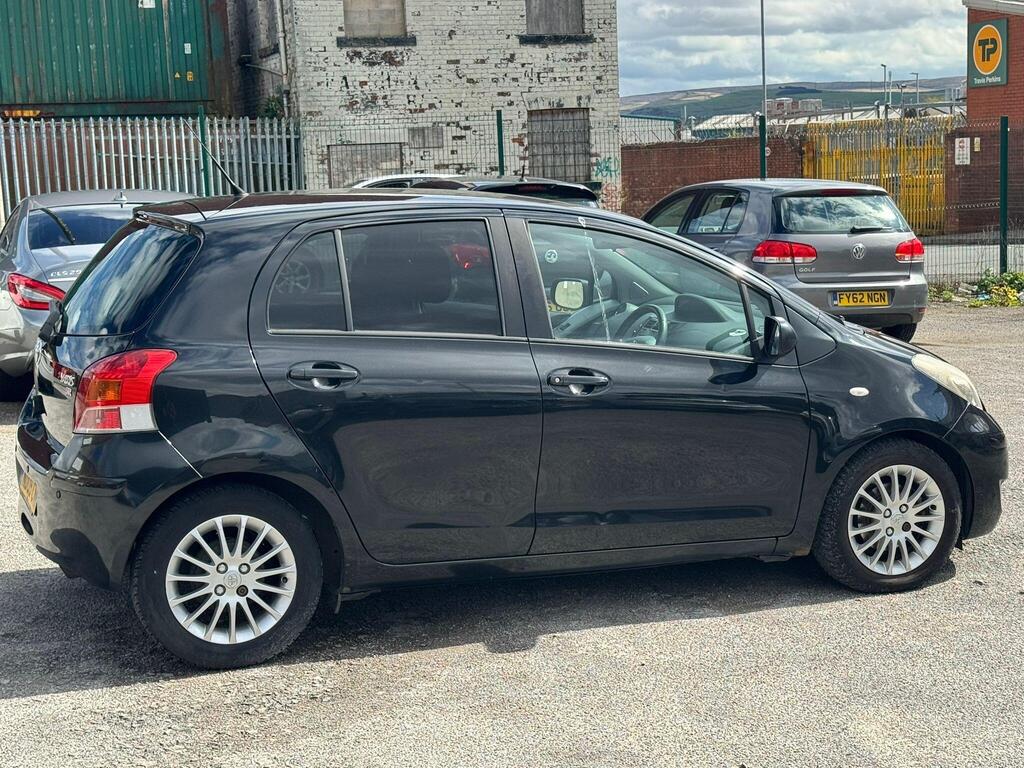
- Cars 62
- April 27, 2026
How to Check a Used Car’s History in the UK
Buying a used car in the UK can save you thousands—but only if you avoid hidden problems. From outstanding finance to accident damage, skipping a proper history check can turn a “great deal” into an expensive mistake. In this guide, you’ll learn how to check a used car’s history in the UK, what tools to use, and how to spot red flags before you buy.
Why Checking a Car’s History Is Essential
Before handing over your money, you need to confirm that the car is:
- Not stolen
- Not written off (Cat S or Cat N)
- Free from outstanding finance
- Accurately described by the seller
A simple check can protect you from fraud and help you negotiate a better price.
Step 1: Get the Vehicle Registration Number (VRM)
Every car in the UK has a unique registration number (number plate).
Ask the seller for it upfront—if they hesitate, that’s your first red flag.
You’ll use this number to check:
- MOT history
- Tax status
- Vehicle details
- Full history reports
Step 2: Check MOT History (Free DVLA Tool)
Use the official UK government website to check MOT history.
What you’ll see:
- Past MOT results (pass/fail)
- Mileage records
- Advisory notes (issues that may need fixing soon)
Why it matters:
Mileage discrepancies or repeated failures can indicate neglect or fraud.
Pro Tip:
If mileage suddenly drops between years, walk away—it’s likely clocked.
Step 3: Run a Full Car History Check (HPI Check)
For deeper insights, use a paid car history check (commonly called an HPI check).
These reports reveal:
- Outstanding finance (very important)
- Write-off status (Cat S, Cat N)
- Stolen vehicle records
- Previous owners
- Plate changes
Popular tools in the UK:
- HPI Check
- TotalCarCheck
- CarVertical
- AA Car Check
Why this step is non-negotiable:
If a car has outstanding finance, it technically belongs to the finance company—not the seller.
Step 4: Verify Vehicle Details Match the Listing
Compare the report with the actual car and listing:
- Make, model, and colour
- Engine size
- Year of manufacture
If anything doesn’t match, ask questions—or walk away.
Step 5: Understand Write-Off Categories (Cat S & Cat N)
In the UK, damaged cars are classified as:
- Cat S (Structural Damage): Serious damage to the frame
- Cat N (Non-Structural Damage): Cosmetic or minor damage
Should you buy them?
- Cat N can be acceptable if repaired well
- Cat S is riskier and should be cheaper
Always factor this into the price.
Step 6: Check for Outstanding Finance
This is one of the biggest risks when buying used cars.
If finance is still owed:
- The lender can repossess the car
- You could lose both the car and your money
Only proceed if:
- The seller clears the finance
- You verify it in writing
Step 7: Inspect Service History
A full-service history shows the car has been maintained properly.
Look for:
- Regular servicing stamps
- Timing belt changes
- Major repairs
No history = higher risk = negotiate a lower price.
Step 8: Look for Red Flags
Watch out for:
- Seller rushing the deal
- Price significantly below market value
- Missing documents
- Inconsistent mileage
- Recently changed number plates
Trust your instincts—if it feels off, it probably is.
Step 9: Cross-Check Ownership (V5C Logbook)
Ask to see the V5C logbook:
- Ensure the seller’s name and address match
- Check the VIN (Vehicle Identification Number) matches the car
Never buy without this document.
Bonus: Use a Professional Inspection
If you’re unsure, hire a mechanic or inspection service.
It may cost £100–£200, but it can save you thousands.
FAQs (SEO Boost Section)
How can I check a car’s history for free in the UK?
You can check MOT history and tax status for free using the DVLA website. However, full history checks (finance, theft, write-off) require a paid report.
What is an HPI check?
An HPI check is a detailed report that shows if a car has outstanding finance, accident history, or has been stolen.
Is it safe to buy a car without a history check?
No. Skipping a history check increases the risk of fraud, hidden damage, or financial issues.
What does Cat N mean on a car?
Cat N means the car had non-structural damage and was repaired. It’s generally safer than Cat S but still worth checking carefully.
Final Thoughts
Checking a used car’s history in the UK isn’t optional—it’s essential.
A few quick checks can save you from scams, unexpected costs, and serious headaches.
If you’re serious about buying smart, always:
- Check MOT history
- Run a full HPI report
- Verify documents
Ready to Buy or Sell a Car?
Browse verified used cars or list your car for sale today.
Find better deals, avoid scams, and make smarter decisions—all in one place.